Tuscan Olive Oil: How to Taste It Like a Local
A practical guide to tasting extra virgin olive oil the way Tuscan producers do — aromas, flavours, quality markers and the difference that terroir makes
Tuscany produces some of the world's finest extra virgin olive oil — pungent, green, herbaceous, with a distinctive peppery finish that comes from harvesting the olives early. But most visitors to the region treat olive oil as a condiment rather than a product worthy of real attention. Here's how to change that.
The Basics of Olive Oil Tasting
Unlike wine tasting, olive oil tasting doesn't require any equipment beyond your nose, palate and a small glass or spoon. Professional olive oil tasters follow a three-step process:
Step 1 — Smell (Olfaction) Warm the oil gently in your cupped hands and inhale deeply. Quality Tuscan oil should smell fresh and green — artichoke, fresh grass, green apple, bitter almond. Any hint of rancidity, mustiness or fusty smell indicates a quality problem.
Step 2 — Taste (Gustation) Take a small sip and let it coat the palate. A great Tuscan oil will show immediate fruitiness (green olive, artichoke), followed by bitterness (on the back of the tongue) and then a distinctive peppery finish in the throat. This final sensation — the "stinging" in the throat — is caused by oleocanthal, a powerful anti-inflammatory polyphenol and a direct indicator of quality.
Step 3 — Evaluate Ask yourself: Is it fruity? Is it bitter? Is it pungent? A balance of all three, in the green/fresh direction, indicates an excellent oil. Defects include: rancid, musty, muddy, metallic, winey.
The Tuscan Olive Varieties
Tuscan oil is typically a blend of:
- Frantoio — the backbone: intense, with strong green fruit and pungency
- Leccino — the softener: rounder, sweeter, less bitter
- Moraiolo — the character: very bitter and pungent, almost medicinal
- Pendolino — the pollinator: light and fresh
The specific blend varies by producer and territory — and the differences are surprisingly noticeable to a trained palate.
The Harvest Makes All the Difference
Tuscan producers harvest early — often in October, when the olives are still partly green. This preserves the polyphenols that give the oil its characteristic bitterness and pungency, and produces oils with significantly higher health benefits than late-harvested, milder oils.
Early-harvested Tuscan oil has a shelf life of 12–18 months from harvest. Always check the harvest date, not the best-before date, when buying.
Taste It at Eramo
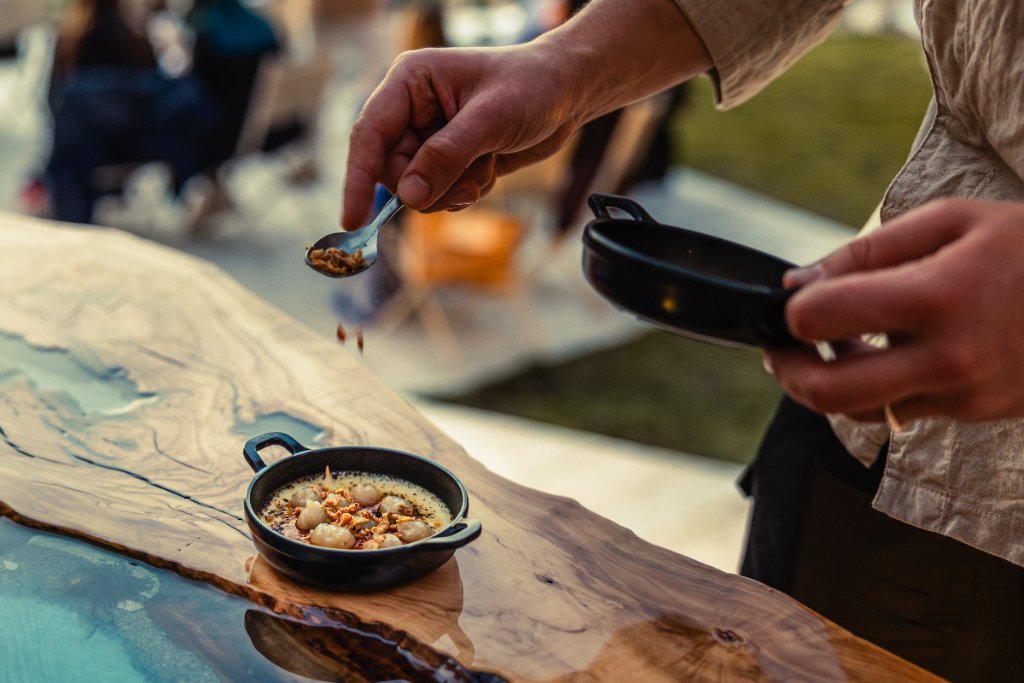
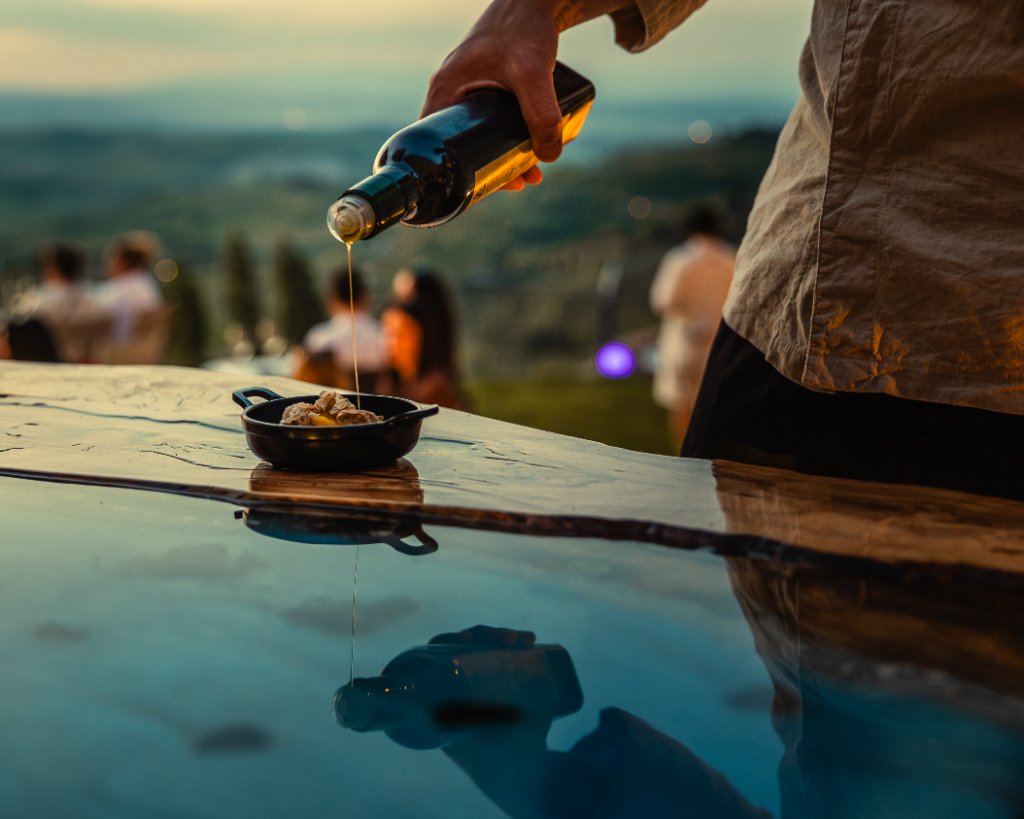
Our Tuscan Roots — Oil & Wine experience at Eramo Secret Garden pairs four selected Tuscan extra virgin olive oils with four local wines, guided by a dedicated taster. You'll learn to distinguish cultivars, identify quality markers and understand why Tuscan oil is different — all with artisan bread baked fresh for the session.
It's the most educational — and surprisingly delicious — tasting experience we offer.
Experience It in Person
Private sunset wine tasting, AIS-certified sommelier, exclusive hilltop garden in Montepulciano. Maximum 18 guests.